Why Early Childhood Education Still Faces Gaps in India
For millions of children in India, Anganwadi Centres mark the beginning of their learning journey. However, many centres still struggle with outdated infrastructure, limited teaching resources, manual record-keeping, insufficient digital monitoring, and difficulty tracking children's learning, health, nutrition, and attendance. These challenges directly affect the quality of early childhood education and make it harder for governments and partner organisations to measure meaningful outcomes.
Improving this system requires far more than renovating buildings or introducing technology as a standalone solution. It demands a model where learning, teacher support, child development, health monitoring, and accountability work together seamlessly. It was while looking at this larger challenge that the idea of Smart Anganwadi began to take shape—not simply as a product or service, but as an integrated transformation model for Anganwadi Centres.
That broader perspective also reflected the thinking of its founders, who believed the future of education is shaped long before children enter formal schools. Understanding why that belief became so personal requires going back to where the journey itself began.
Founder Aditi Katare's global perspective and co-founder Yogesh Kundra's grassroots experiences came together with a shared belief that strengthening early childhood education is one of the most meaningful ways to create lasting social change.
Aditi Katare, an MBA graduate from Santa Clara University, California, spent over 13 years working across technology, innovation, public-private partnerships, and government engagement, including leadership roles in the United States, before returning to India. Her global experience and public policy background shaped a vision of transforming traditional Anganwadis into technology-enabled early childhood learning centres through collaborative efforts with governments, PSUs, and CSR partners.
Yogesh Kundra was born and raised in India and spent over eight years working in the education and social impact sector. His understanding of grassroots education became deeply personal through his mother, who worked in an Anganwadi. Seeing the everyday challenges faced by workers and children strengthened his belief that every child deserves a quality learning environment.
Together, their experiences shaped the vision for Smart Anganwadi. Turning that vision into a practical and scalable transformation model, however, required patience, careful planning, and a deep understanding of realities on the ground.
Building an Integrated Anganwadi Transformation Ecosystem
The early journey focused on creating an ecosystem that combined infrastructure, learning, technology, teacher empowerment, and monitoring into one practical model suitable for implementation across Anganwadi Centres of different scales.
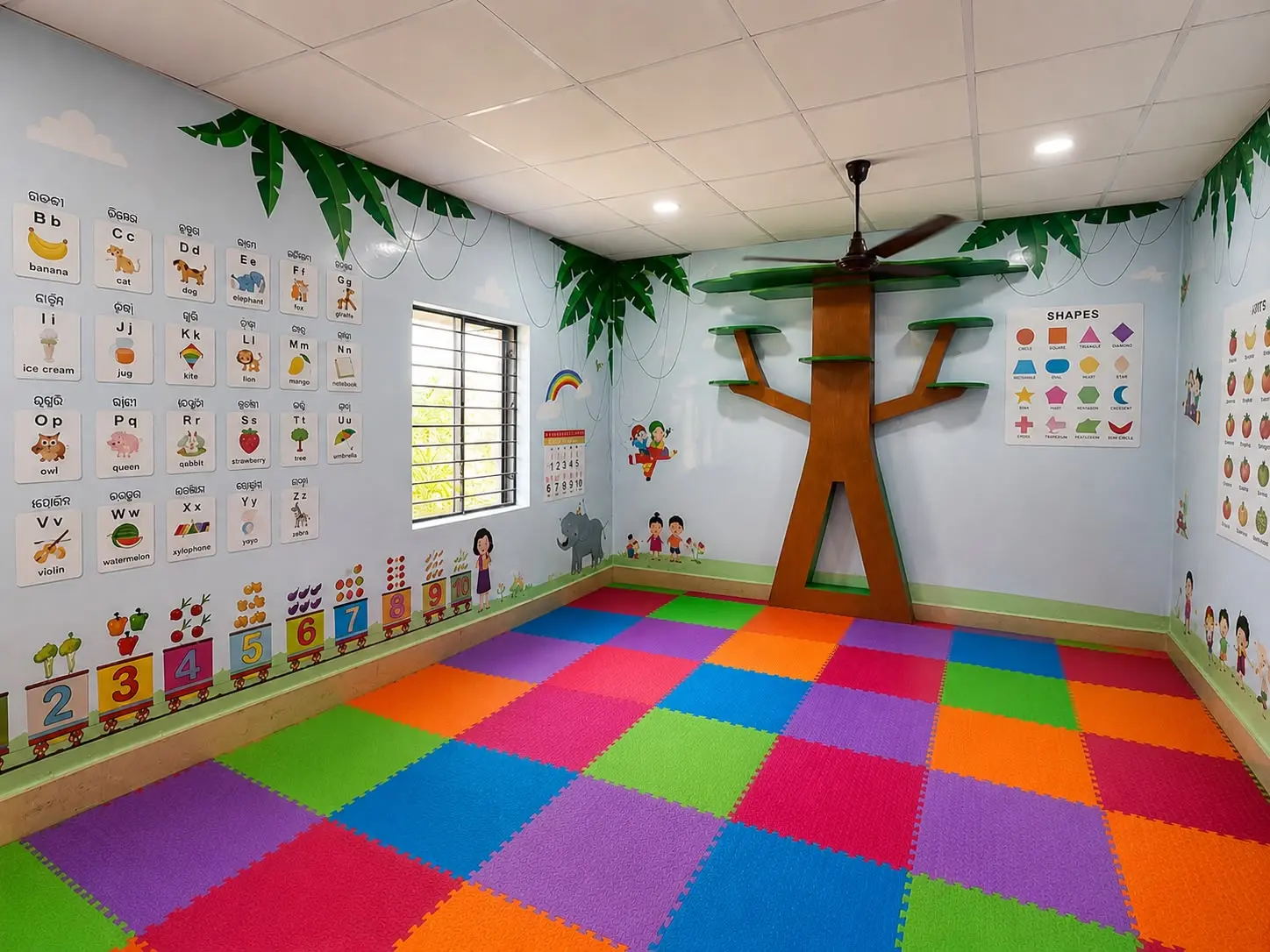
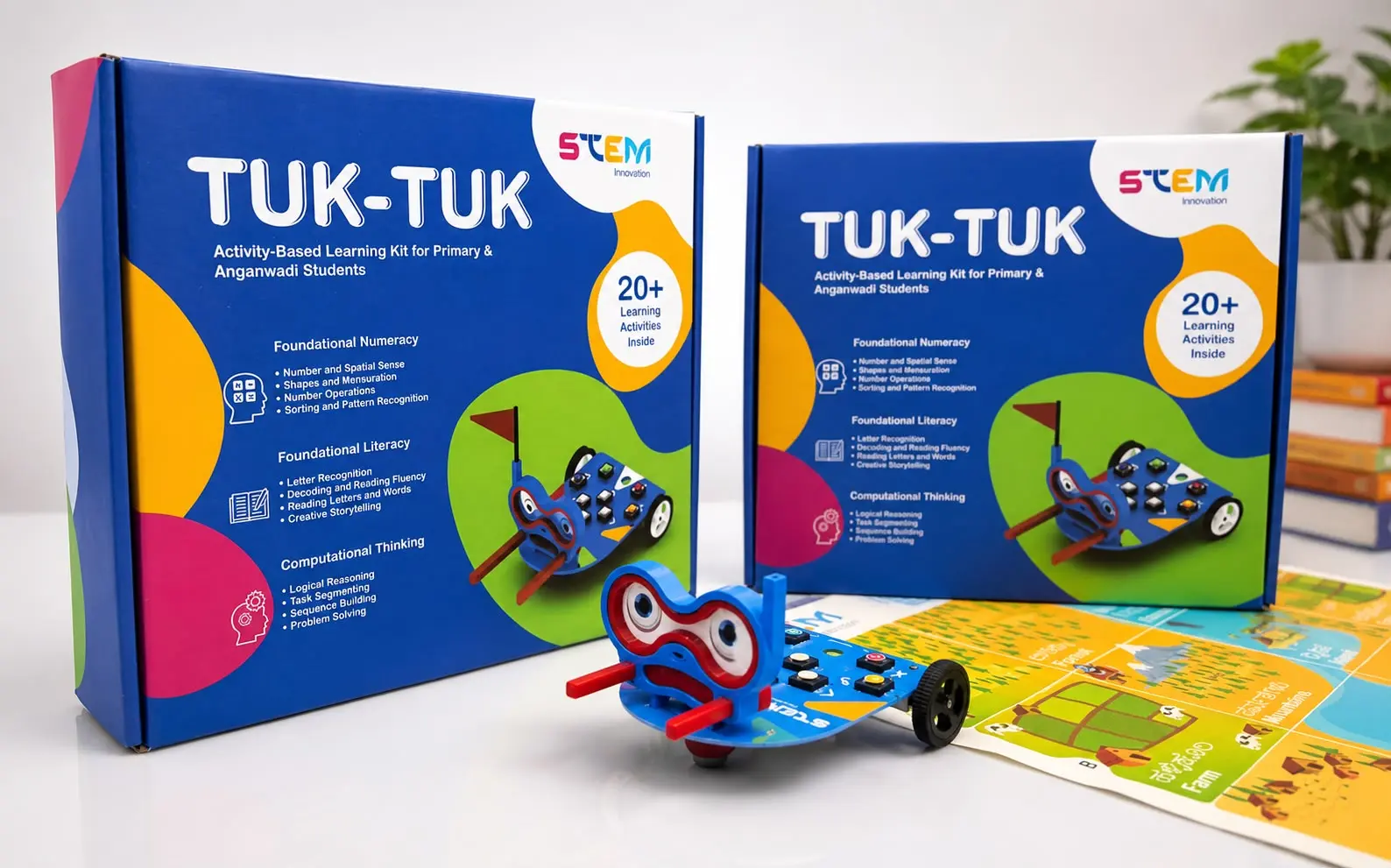
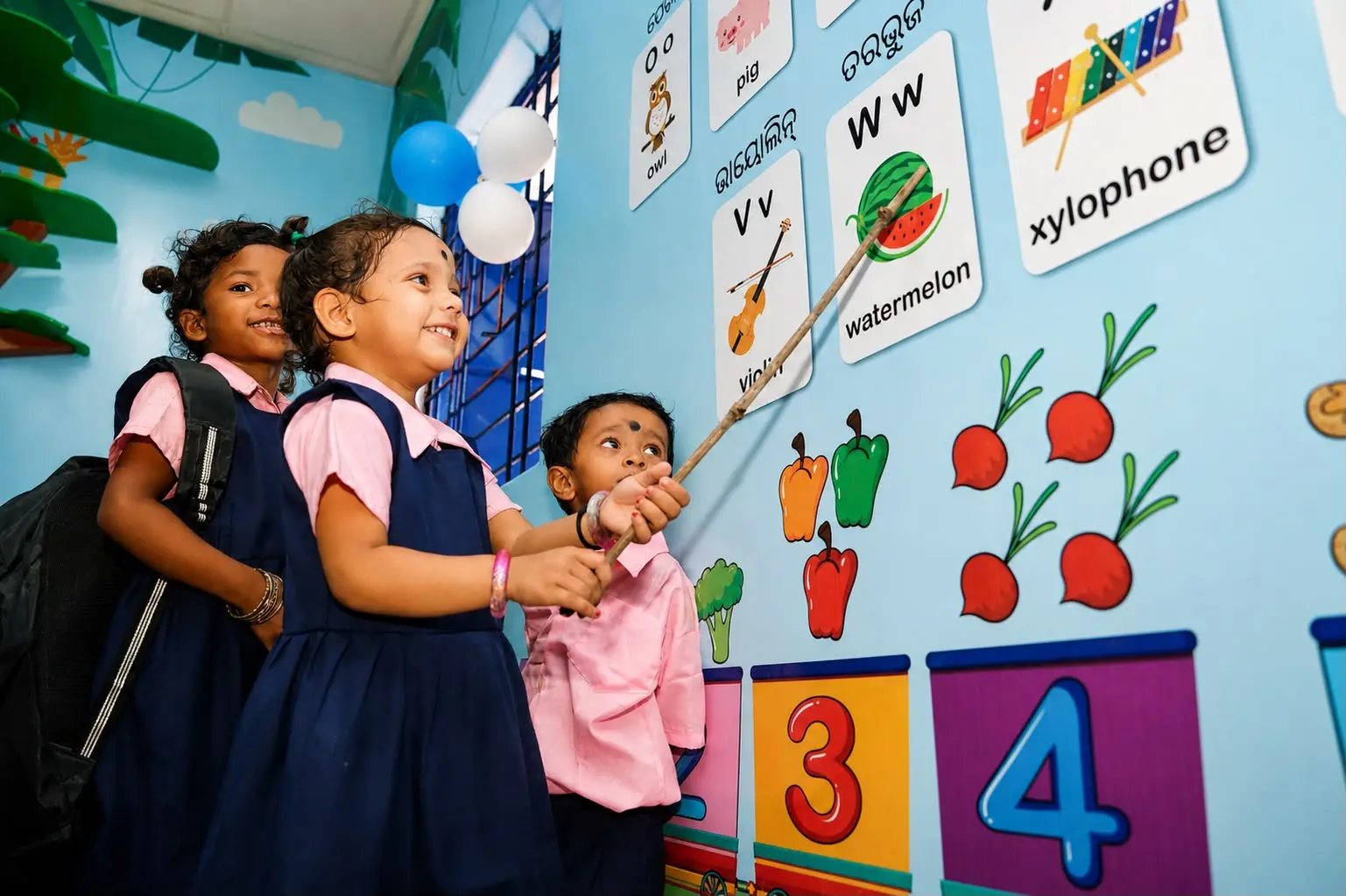
Developing Smart Anganwadi meant bringing together several interconnected elements instead of solving only one problem. The model combined modern infrastructure, FLN-based learning material, AR and AI-enabled activities, teacher training, health and nutrition monitoring, mobile app-based reporting, and dashboards for partners. As part of this ecosystem, the team also introduced the Tuk Tuk Robotics Kit, an FLN (Foundational Literacy and Numeracy)-based learning solution designed to reimagine early childhood education. Through the Classroom Bundle Kit and Tuk Tuk Single Kit, children participate in interactive, hands-on learning experiences that encourage creativity, problem-solving, and foundational skills. Every component was designed to work together as part of one integrated ecosystem.
The first few months were dedicated to ensuring the model could function in real Anganwadi Centres rather than remaining a theoretical concept. Explaining this integrated approach to government departments, CSR partners, NGOs, and field workers was equally demanding. Those conversations gradually helped validate whether the idea could create meaningful impact.
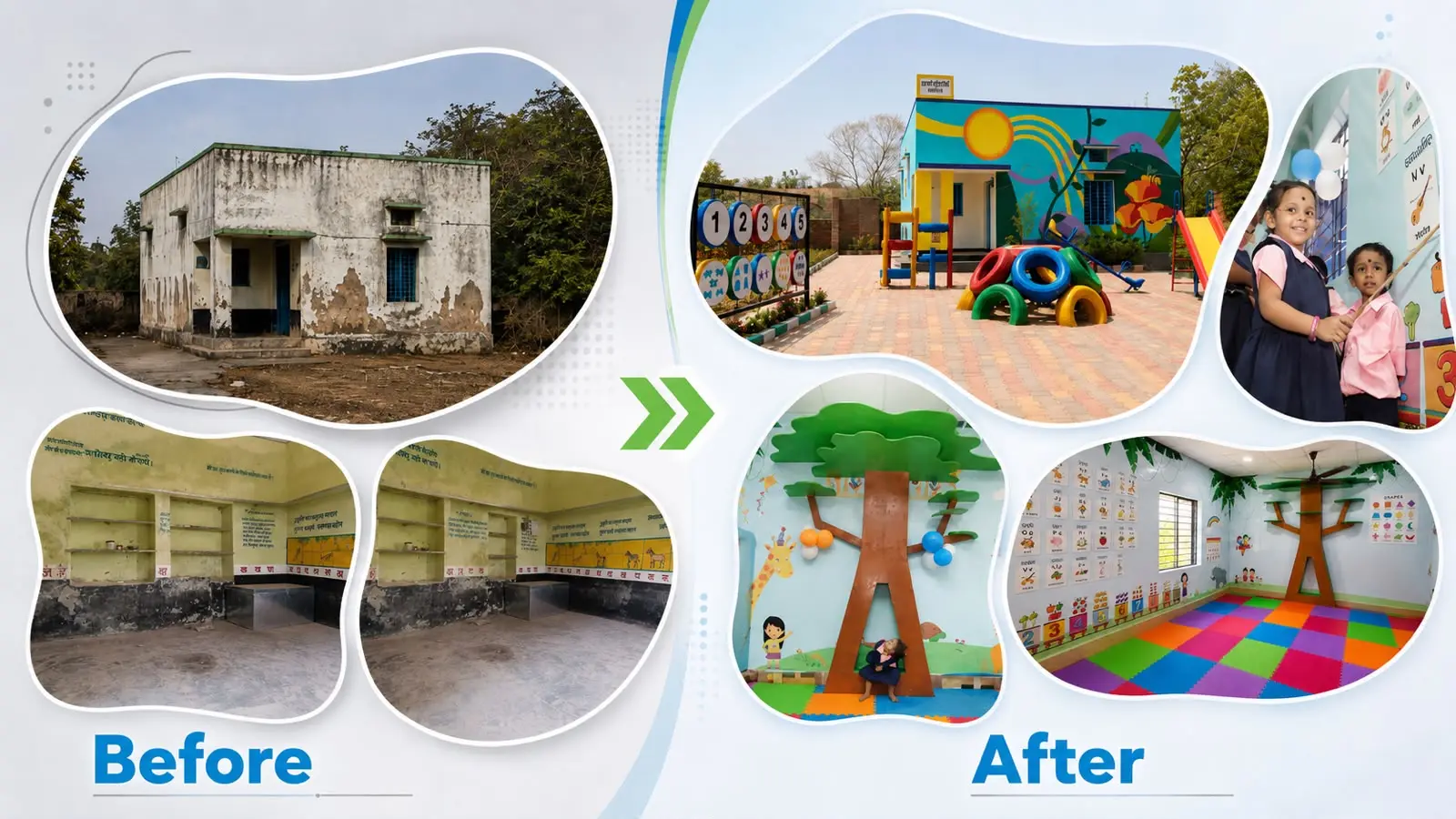
Positive responses emerged when stakeholders understood that Smart Anganwadi represented complete transformation rather than simple renovation. That growing acceptance strengthened the team's confidence while encouraging continuous improvement of the model for wider implementation.
The earliest encouragement came from people who recognised the importance of strengthening early childhood education at the grassroots level. They appreciated that Smart Anganwadi focused not only on improving physical spaces but also on creating measurable learning outcomes, teacher empowerment, and transparent reporting systems for long-term impact.
There were moments when progress felt slow, yet the purpose remained constant. The possibility of improving everyday learning experiences for children and equipping Anganwadi workers with better tools continued to guide every decision, eventually shaping a much larger national vision.
A Long-Term Vision for Grassroots Learning
The startup's long-term vision is to become a leading platform for Anganwadi transformation, helping government departments, CSR foundations, NGOs, and institutions modernise Anganwadi Centres through technology, foundational learning, teacher training, and transparent impact monitoring.
The journey has reinforced one important lesson: meaningful innovation happens when technology and empathy work together. The founders continue to believe that lasting change begins by solving real problems with patience and honesty. As they often remind future entrepreneurs,
If your idea can improve even one child's future, it is worth building with full honesty and dedication.